What Agentforce Means for Hospitality Sales: AI Agents That Drive Group Revenue
Agentforce is Salesforce's enterprise AI agent platform that autonomously executes sales actions within CRM workflows—qualifying group RFPs, routing leads, updating opportunities, and triggering proposals without human intervention. For hospitality operators managing group sales and MICE business across multiple properties, Agentforce represents a fundamental shift from productivity tools to revenue acceleration systems.
From AI Assistants to Autonomous Revenue Engines
Agentforce is not another large language model writing assistant. It is a true AI agent that runs actions inside Salesforce where hospitality sales teams already work—qualifying inbound group requests, pre-populating opportunity records, sequencing follow-ups, and triggering e-proposal workflows autonomously. This architectural distinction matters for multi-property operators: Agentforce operates within the system of record, not alongside it.
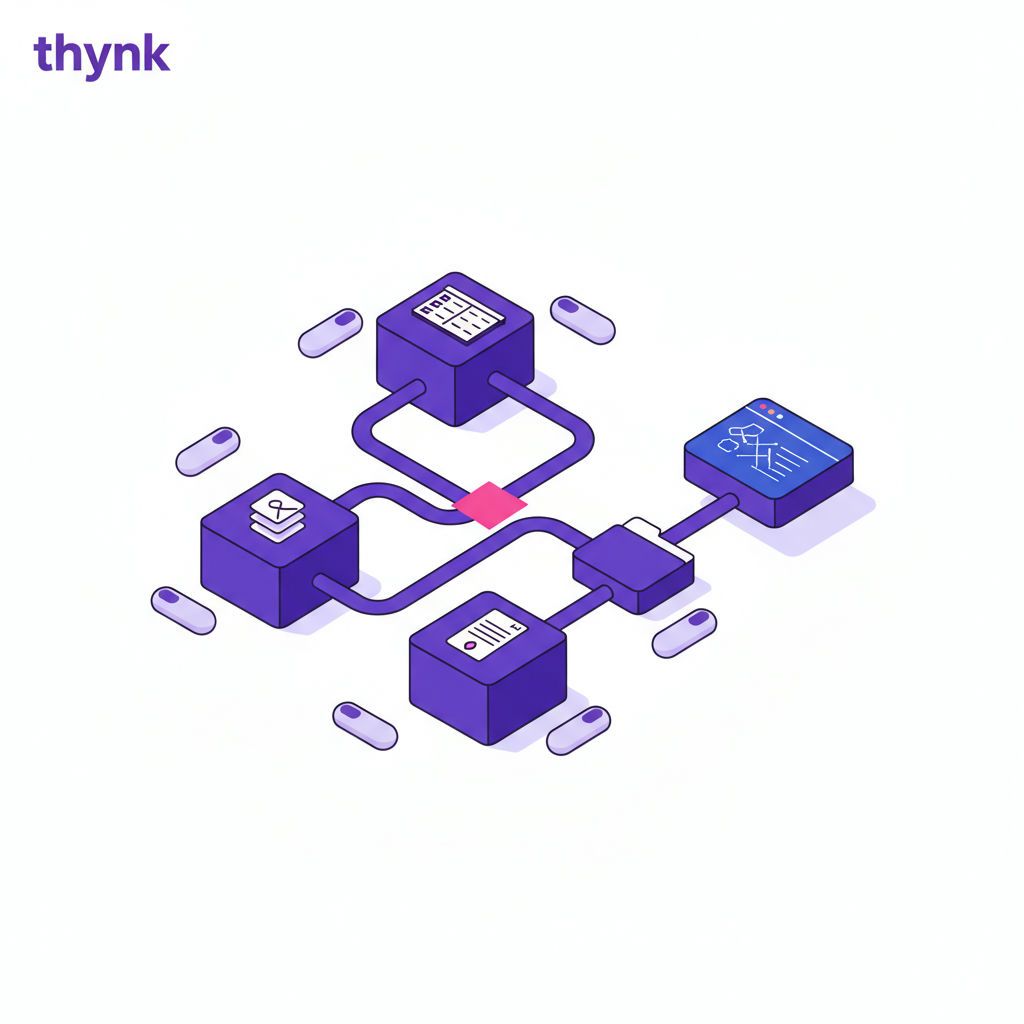
Traditional sales automation improved productivity. Agentforce improves revenue velocity by executing work that previously required manual intervention. AI agents triage incoming RFPs from channels like Cvent, GroupSync, and direct email, qualify fit against property inventory and business rules, and pre-populate Opportunities before a sales manager reviews them. Email parsing, data entry, room-block validation, and follow-up sequencing run automatically within Salesforce—no context switching, no middleware delays.
For hospitality operators managing group portfolios, this translates to measurable top-line impact: higher group conversion rates, shorter proposal turnaround, and better utilisation of sales capacity across properties. Sales managers and group coordinators spend less time on administrative triage and more time advising clients, negotiating contracts, and closing business.
Why Agentforce Is Different for Hospitality
Unlike standalone AI tools or chatbot overlays, Agentforce is Salesforce-native—embedded in the CRM, PMS integrations, and group sales workflows that hospitality teams use daily. This architectural integration delivers three critical advantages that matter for multi-property operators.
Native Context Across Properties
Agentforce understands account hierarchies (corporate parent → regional offices → subsidiaries), property-level inventory from PMS integrations (Opera, Mews, Protel, Stayntouch), room-block status, and historical group performance. For Global Sales Office teams managing portfolios, Agentforce can evaluate lead fit across properties and recommend optimal placement based on availability, rate strategy, and account relationship history. This contextual intelligence operates at the Group CRS level—across brands, properties, and markets—not property by property.
Action Not Just Advice
Agentforce doesn't suggest a follow-up—it schedules the task, updates the Opportunity stage from "RFP Received" to "Qualified," and triggers the e-proposal workflow through Thynk's native proposal engine. It doesn't draft an email—it routes the lead to the correct sales manager based on territory rules, property availability, and account ownership. Every action happens inside Salesforce, logged and auditable, without human intervention for routine decisions.
Policy-Driven Autonomy Without Chaos
Salesforce's policy framework lets hospitality operators define precisely what AI can decide autonomously and what requires human review. Example guardrails include auto-qualifying RFPs with ≥25 peak rooms and lead time >90 days, routing corporate accounts to designated Global Sales Office managers, requiring human approval for discounts >15% off BAR, and auto-rejecting RFPs outside defined booking windows or property capacity. This is autonomy at enterprise scale—governed, auditable, and aligned with commercial strategy.
Powered by Salesforce Trust and Clean Data
What makes Agentforce enterprise-ready for hospitality is the Einstein Trust Layer—Salesforce's governance framework that ensures AI operates safely, compliantly, and transparently. For operators managing sensitive corporate accounts and multi-property group data, the Trust Layer provides data masking and zero retention (customer PII is protected; AI prompts and outputs are not stored outside Salesforce or shared with third-party LLMs), audit trails (every AI action—lead routing, opportunity updates, proposal triggers—is logged, traceable, and auditable), and role-based permissions (Agentforce respects Salesforce's existing security model).
But trust alone isn't enough. As Thynk emphasises across the knowledge base: clean data before clever AI. AI success is 80% data hygiene, 20% algorithms. Agentforce performs best when customer records are unified across properties (single source of truth in Salesforce), account hierarchies roll up correctly (corporate parent → subsidiaries → individual contacts), and lead sources, room-block data, and pickup are structured, consistent, and enriched with PMS parity.
Thynk's Salesforce-native architecture ensures this foundation is in place—no middleware, no data sync lag, no fragmented CRM. Every group booking, room block, and revenue forecast lives in one system, accessible to both human users and AI agents. This is the capability stack prerequisite: B2B CRM, room-block management, space management, package management, and finance with PMS parity all feeding clean, structured data to autonomous agents.
Early Results: Measurable Top-Line Impact
Thynk has partnered with Salesforce and pilot customers over the past 12 months to deploy Agentforce in real-world group sales and MICE workflows. Early results redefine what's possible in revenue velocity. Group RFP response time has been reduced by 60%+: AI agents triage, qualify, and pre-populate proposals faster than manual workflows, shortening the time from enquiry to signed contract.
Lead qualification accuracy has improved through AI-powered scoring that evaluates fit against property inventory, rate positioning, and account value—reducing time wasted on non-viable leads. Teams are handling 2x the volume of group enquiries without adding headcount, reallocating human capacity to strategic accounts and complex negotiations. This is the sales capacity multiplier in action.
The impact on the top line is, as Thynk describes it, "mind-blowing." Formal case studies and customer testimonials are forthcoming as pilots move to full-scale deployment across multi-property portfolios. For operators using Thynk's alternatives to legacy group management systems, Agentforce represents the next evolution: from Salesforce-native operations to AI-first revenue acceleration.
From Pilot to Scale: What Hospitality Leaders Need to Know
If your organisation is considering Agentforce for group sales, MICE management, or multi-property operations, start with data hygiene. Audit your CRM structure before deploying agents: Are account hierarchies mapped correctly (corporate parent → regional → property-level)? Are lead sources tagged consistently (Cvent RFP, direct email, GroupSync, referral)? Are room-block statuses, pickup, and revenue forecasts integrated from your PMS (Opera, Mews, Protel, Stayntouch)?
Thynk's data preparation guide provides a hospitality-specific checklist. Without clean, unified data, AI agents generate noise, not value. With it, they become revenue engines.
Define Policy Guardrails
What can AI decide autonomously? What requires human review? Salesforce's policy framework lets you configure this with precision. Example starting points include auto-qualifying RFPs meeting minimum room-night thresholds and lead-time windows, routing corporate accounts to designated Global Sales Office managers, and requiring human approval for pricing exceptions or multi-property negotiations. Define these policies early—before pilot deployment—to balance velocity with control.
Measure Velocity Not Just Productivity
Track outcomes that impact revenue, not vanity metrics. Sales cycle length measures days from RFP receipt to signed contract. Group conversion rate calculates the percentage of qualified RFPs that convert to confirmed bookings. Revenue per sales FTE divides total group revenue by sales headcount. These metrics reveal Agentforce's true value: not "time saved," but revenue accelerated.
Integrate with PMS and Channel Sources
Agentforce works best when connected to live inventory and inbound lead channels. PMS integration with Opera, Mews, Protel, or Stayntouch provides real-time availability and rate positioning. Channel sources include Cvent RFP, GroupSync, direct email, and digital storefronts. Proposal and contract workflows connect through Thynk's native e-proposal engine and DocuSign for contract execution.
Thynk's Salesforce-native platform—already handling Group CRS, multi-property proposals, room-block management, and finance with PMS parity—provides the clean data foundation Agentforce needs to deliver enterprise-grade results. This is the three-pillar advantage: Salesforce performance, clean data, and sales automation converging in one platform.
Key Takeaways
Agentforce is Salesforce's enterprise AI agent platform—not an LLM assistant, but an autonomous system that triggers and executes real CRM actions (lead qualification, opportunity updates, proposal workflows) without human intervention. Built on the Einstein Trust Layer with data masking, zero retention, and audit trails, it is enterprise-ready from day one for hospitality operators managing sensitive corporate accounts.
Clean data is the fuel: 80% of AI success depends on unified customer records, structured account hierarchies, and PMS-integrated inventory data. Thynk's Salesforce-native architecture ensures this foundation. Early hospitality pilots show 60%+ faster RFP turnaround and 2x sales capacity without headcount growth—measurable top-line impact through AI-driven revenue velocity.
Thynk + Agentforce represents the modern commercial platform for group sales, MICE, and multi-property operations—positioned for AI-first revenue acceleration at enterprise scale. For hospitality operators ready to move from pilot to scale, the question isn't whether AI agents will transform group sales—it's whether your data and platform are ready for them. Learn more about Thynk's Salesforce-native group management platform and how to prepare for AI agents.